
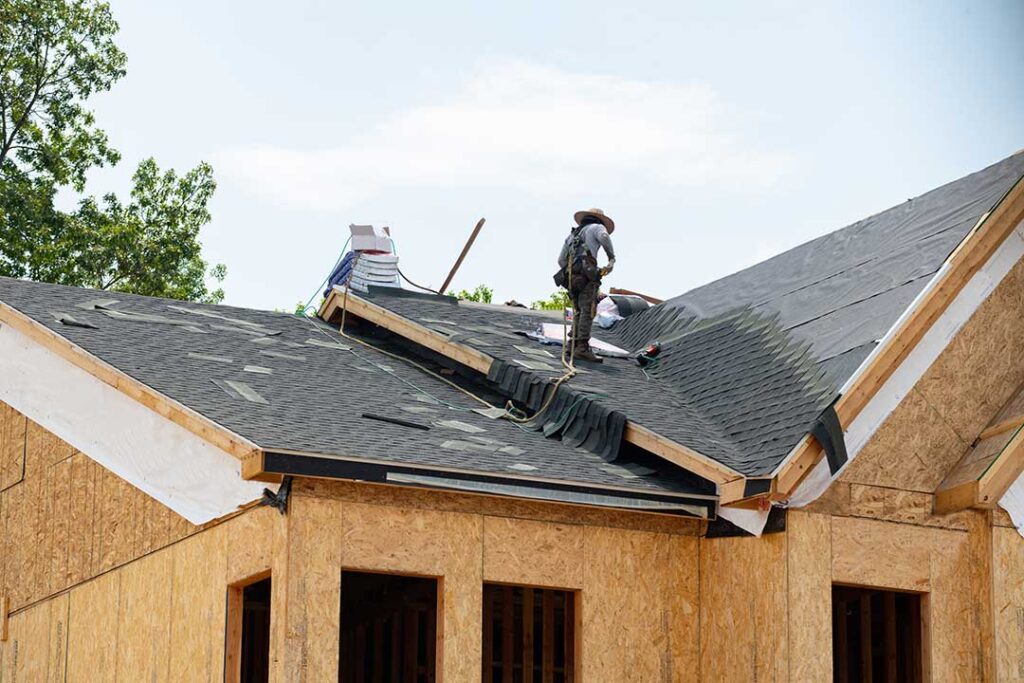
Solar panels can work well on many homes, but the roof must be evaluated before the panels are designed or installed. Roof age, structural condition, snow and wind exposure, drainage, access for emergency responders, and local permit requirements all affect whether a rooftop system is appropriate.
Is the roof ready for solar panels?
A roof should generally have a reasonable remaining service life before panels are added. Solar equipment can stay in place for decades, while roofing materials may need replacement sooner. Installing panels on an aging roof can create an avoidable problem: the panels may need to be removed and reinstalled when the roof is replaced.
Before proceeding, look for:
- Curling, cracked, loose, or missing shingles
- Soft areas or visible sagging
- Water stains in the attic or upper floors
- Damaged flashing around chimneys, vents, and skylights
- Algae or moss associated with trapped moisture
- Previous patching or repeated leak repairs
- Roof sections that receive heavy shade or collect snow
A roof does not need to be new to support solar panels, but its condition should be understood first. In some cases, replacing the roof before installation is more practical than mounting panels and dealing with roofing work later.
Can most roofs support the added weight?
Many residential roofs can support the weight of a properly designed solar array, but that should not be assumed. The panels, mounting rails, attachments, wiring, and any snow that accumulates around the system all contribute to the roof load.
Homes in Carmel may experience winter snow, ice, freeze-thaw cycles, and strong weather events. Those conditions make attachment methods and structural review especially important. A roof that appears sound from the ground may still have concerns involving rafters, trusses, sheathing, or past moisture damage.
The review should consider:
- The roof framing and span
- The age and condition of the sheathing
- Existing loads, such as older roofing layers or equipment
- Panel placement and total system weight
- Snow and wind design requirements
- Whether attachments are located over sound structural members
Local code allows roof-mounted solar systems on legal principal or accessory buildings, subject to structural review by the Building Inspector and, where applicable, structural or engineering review. ([ecode360.com](https://ecode360.com/49399549?utm_source=openai))
Does roof direction matter?
Roof orientation affects how much sunlight the panels receive throughout the day. A roof with strong exposure to the sun may produce more electricity than a similarly sized roof that is shaded by trees, neighboring structures, chimneys, or nearby roof sections.
The most useful roof area is not always the largest area. A smaller, unshaded section may perform better than a larger section with regular afternoon shade. Designers also need to account for:
- Chimneys, plumbing vents, and attic vents
- Dormers and roof valleys
- Nearby trees and seasonal leaf changes
- Snow retention or areas where snow slides
- Future tree growth
- Safe paths for maintenance and emergency access
Panels should not be placed where they block important roof drainage or make it difficult to inspect flashing. A layout that maximizes panel count but leaves no practical access may create maintenance and safety concerns.
How do solar panels affect roof maintenance?
Solar panels do not eliminate the need for roof maintenance. The roof and the equipment remain connected systems, so both should be monitored over time.
Roof penetrations must be properly flashed and sealed. Poorly installed attachments can allow water into the roof assembly, especially as materials expand and contract through seasonal temperature changes. Ice, wind-driven rain, and freeze-thaw movement can expose weaknesses that are not visible immediately after installation.
After installation, inspect the accessible roof and attic areas for:
- New water stains
- Damp insulation or musty odors
- Loose flashing
- Damaged shingles near mounting points
- Unusual movement or noise during high winds
- Snow or ice accumulating in unexpected patterns
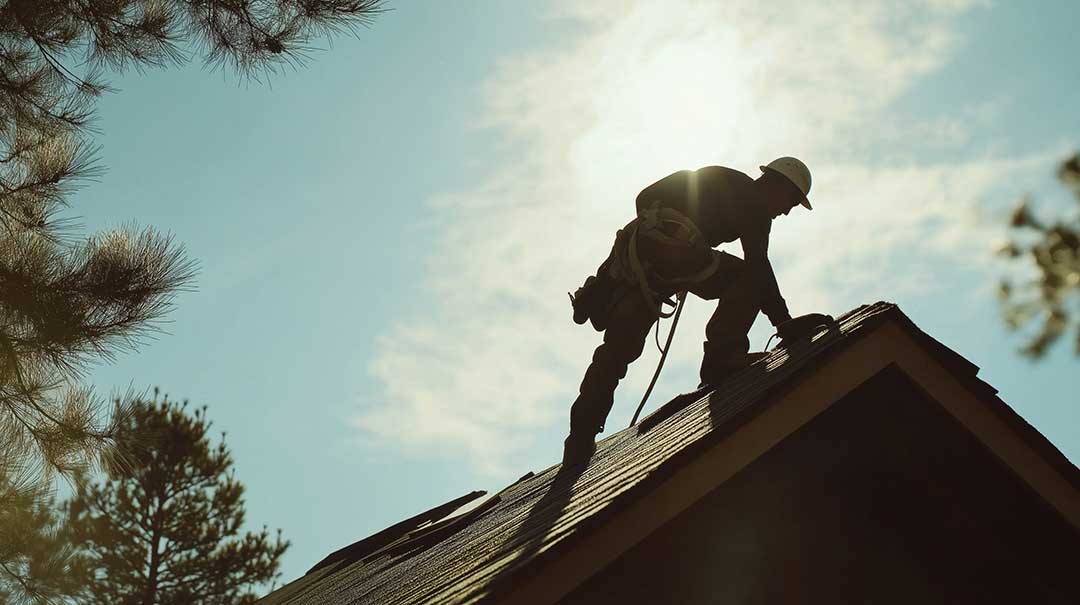
Routine roof work may require temporary removal of some panels. That possibility should be considered before installation, particularly on older roofs or roofs with a history of leaks.
What local approvals are required?
A rooftop solar system is not simply a roofing alteration. It involves building safety, electrical work, utility interconnection, fire safety, and zoning requirements.
Under the local code, an applicant must file a New York State Unified Solar Permit application with the Building Department and obtain a building permit. Electrical connections must be inspected before operation by the Building Inspector and by an acceptable electrical inspector. Systems connected to the utility grid must also meet applicable utility, state, and federal requirements. ([ecode360.com](https://ecode360.com/49399549?utm_source=openai))
The local rules also address the physical layout of rooftop systems. For example, front-facing panels may need to follow the roof angle, and roof edges must retain perimeter clearance, including a wider access area along one side for emergency purposes. ([ecode360.com](https://ecode360.com/49399549?utm_source=openai))
Requirements can change, and a property may have additional considerations related to its zoning district, building history, accessory structures, or prior permits. Checking current requirements before design work begins helps prevent an installation from being delayed by missing documents or unsuitable placement.
What about batteries and power outages?
Solar panels do not automatically keep a home powered during an outage. Most grid-connected systems shut down when the electric grid is unavailable unless they include approved battery storage or other equipment designed for backup operation.
Battery systems introduce additional issues involving location, ventilation, enclosure design, fire separation, labeling, and emergency access. Local rules require solar storage batteries to be placed in secure containers or enclosures that meet New York State Building Code requirements. The local code also distinguishes between permitted battery storage categories and prohibited systems, so a battery should not be treated as an automatic add-on to a panel project. ([ecode360.com](https://ecode360.com/49399549?utm_source=openai))
Homeowners considering backup power should understand which circuits would be supported, how long the batteries may operate, and whether the proposed equipment is allowed at the property.
Are shaded or older homes automatically poor candidates?
No. Shade and roof age can reduce the usefulness of a system, but neither one automatically rules out solar.
A shaded roof may still have productive areas, especially if sunlight varies by roof section or by season. However, tree growth and winter sun angles should be considered rather than relying on a single observation made during summer.
An older home may also have strong framing, while a newer-looking roof may conceal moisture damage. The relevant question is not simply how old the house or roof appears. It is whether the roof can safely support the proposed system and remain serviceable for the expected life of the equipment.
What should homeowners document before installation?
Good records make future maintenance easier. Keep copies of:
- Roof inspection findings
- Structural review documents
- Permit applications and approvals
- Panel and mounting layouts
- Photographs of the roof before installation
- Locations of roof penetrations and attachment points
- Electrical inspection records
- Equipment manuals and warranty information
Photographs taken before panels cover portions of the roof can be especially useful if a leak or flashing question develops later.
For homes in Carmel, the most sensible approach is to treat solar as both an energy project and a roof project. A sound roof, carefully planned attachment points, adequate emergency clearances, and current permit compliance matter just as much as the number of panels that fit on the roof.
