
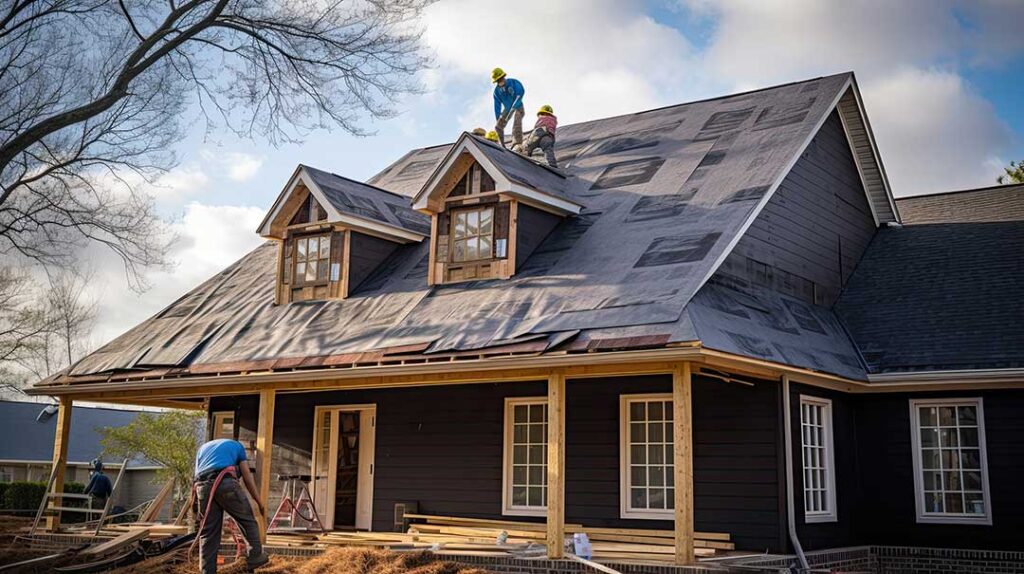
How often should a roof be inspected?
Most homes in Carmel, NY should receive a roof inspection at least once every two years, with an additional inspection after severe weather or any event that may have caused damage. Older roofs, roofs with a history of leaks, and properties surrounded by mature trees may need closer attention.
A roof inspection is different from routine maintenance. Maintenance involves clearing debris, trimming branches, or cleaning gutters. An inspection evaluates the roof’s overall condition, including shingles, flashing, ventilation, drainage, and areas where water may enter the home.
Regular inspections can identify small problems before they become interior leaks, damaged insulation, mold growth, or structural deterioration.
Is spring the best time for a roof inspection?
Spring is often the most useful season for a routine inspection because winter weather can expose weaknesses that were not visible before. Snow, ice, freezing temperatures, and repeated freeze-thaw cycles can loosen shingles, damage flashing, and open small gaps around roof penetrations.
A spring inspection can look for:
- Missing, cracked, curled, or lifted shingles
- Loose flashing around chimneys, vents, and skylights
- Ice-related damage at roof edges
- Clogged or damaged gutters and downspouts
- Water stains in attic areas
- Sagging roof sections or damp insulation
- Blocked ventilation openings
In Carmel, seasonal temperature changes can place repeated stress on roofing materials. A roof may appear intact from the ground while still having damage that becomes noticeable only during the next heavy rain.
Spring is also a practical time to inspect drainage. Leaves and winter debris can collect in gutters, causing water to back up beneath roof edges or spill near the foundation.
Should a roof be inspected in the fall?
Yes. Fall is another appropriate time for a planned inspection, especially before the roof is exposed to winter conditions. The purpose is to find conditions that could worsen during snow, ice, wind, and freezing temperatures.
A fall inspection is particularly useful when the roof has:
- Several areas of moss or organic growth
- Heavy shade from nearby trees
- Aging shingles
- A history of ice dams or attic condensation
- Gutters that overflow during rain
- Visible wear around vents, chimneys, or roof valleys
Leaves should not be allowed to remain on the roof for extended periods. They can hold moisture against roofing materials and hide damaged areas. However, removing debris does not replace an inspection. A roof can be free of leaves and still have failed flashing, exposed underlayment, or deteriorated sealant.
Before winter, it is also useful to confirm that attic ventilation and insulation are functioning properly. Poor airflow and uneven attic temperatures can contribute to condensation and ice buildup, even when the shingles themselves are in reasonable condition.
When is an inspection needed after a storm?
A roof should be checked after severe weather if the property experienced strong wind, hail, fallen branches, unusually heavy rain, or extended snowfall. The inspection does not necessarily need to happen immediately during unsafe conditions. It is usually better to wait until the roof and surrounding grounds can be accessed safely.
Storm-related damage may include:
- Shingles blown off or lifted at the edges
- Hail marks, bruising, or fractured shingle surfaces
- Broken ridge caps
- Dented or displaced metal flashing
- Punctures from branches
- Damaged gutters or downspouts
- New leaks around ceilings, walls, or attic areas
Some damage is not visible from the yard. Wind can loosen shingles without removing them completely, and hail can weaken the surface while leaving only subtle marks. If water appears inside the home after a storm, the condition should be treated as time-sensitive because interior damage can spread even when the visible stain is small.
What signs mean an inspection should happen sooner?
A roof does not need to wait for its normal inspection interval if warning signs appear. Visible or interior clues can indicate that the roof needs attention sooner than planned.
Look for:
- Water stains on ceilings or upper walls
- Damp insulation or musty attic odors
- Daylight visible through roof boards
- Shingles collecting in gutters or near downspouts
- Granules accumulating in gutter channels
- Sagging roof lines
- Repeatedly overflowing gutters
- Peeling paint near roof edges
- Drafts or unusual temperature differences in upper rooms
- Sudden increases in moisture or condensation in the attic
A single stain does not always show the exact location of a roof defect. Water can travel along rafters, decking, insulation, or wall cavities before appearing indoors. For that reason, patching the visible spot without identifying the source may not resolve the problem.
How does roof age affect inspection timing?
Roof age is one of the clearest reasons to inspect more frequently. A relatively new roof may only need routine inspections and weather-related checks, while an older roof deserves closer monitoring because materials gradually lose flexibility, seal strength, and resistance to moisture.
Inspection timing should become more deliberate when:
- The roof is approaching the later part of its expected service life
- The installation history is unknown
- Repairs have been made in several areas
- Shingles show widespread granule loss or brittleness
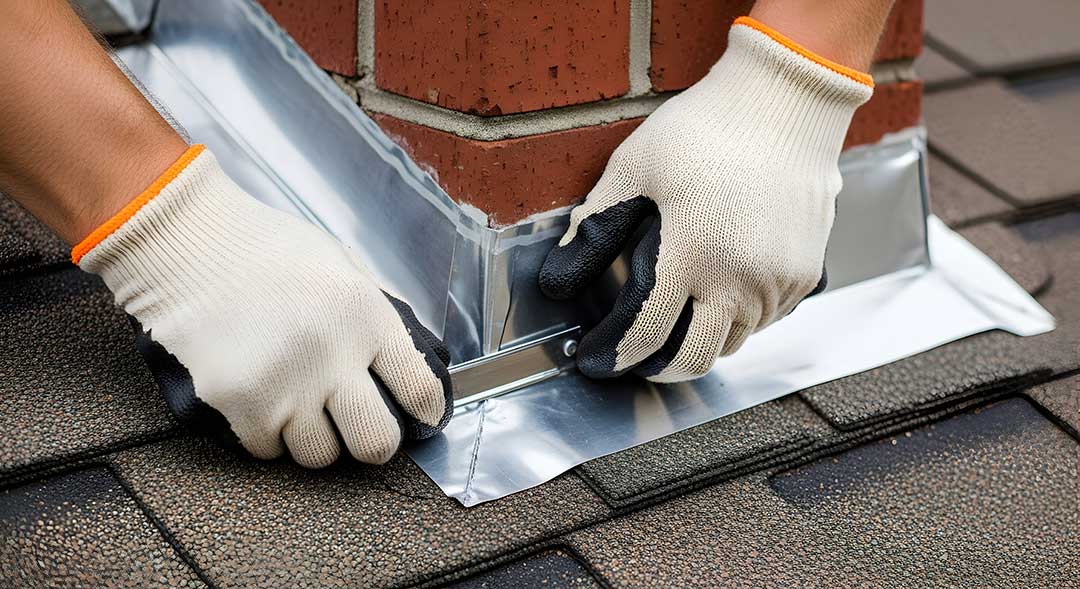
- Flashing and sealants appear cracked or deteriorated
- The attic has recurring moisture problems
Roof age alone does not determine whether replacement is necessary. Installation quality, ventilation, material type, sun exposure, tree cover, and storm history all influence performance. A condition-based inspection is more useful than relying only on a general age estimate.
Do new or recently repaired roofs need inspections?
Yes, although the timing may be different. A new roof should still be observed after its first major weather events and checked during routine home maintenance. Early inspection can identify installation-related concerns such as exposed fasteners, loose flashing, poor drainage, or inadequate ventilation.
A recently repaired roof also deserves attention if:
- The same leak returns
- Water appears in a nearby but different area
- Temporary materials were used
- The repair followed wind or tree damage
- Gutters, valleys, or roof-to-wall transitions were involved
A repair addresses a specific condition, but it does not always reveal the full state of the surrounding roof. An inspection can help determine whether the problem is isolated or part of a larger pattern.
What can homeowners safely check themselves?
Ground-level observations and attic checks can be useful, but climbing onto a roof can be dangerous, especially when surfaces are wet, icy, steep, or covered with debris.
A homeowner can safely observe:
- Missing materials from the ground
- Sagging roof lines
- Blocked gutters viewed from a secure location
- Tree limbs touching or resting on the roof
- Water stains in accessible attic areas
- Musty odors or damp insulation
- Shingle granules in gutters
- Changes after heavy rain or wind
Roof access should be left to someone properly equipped for the conditions when the surface is steep, damaged, slippery, or close to overhead hazards. Safety matters more than obtaining a close-up view.
A practical inspection schedule for local households
For many homes, a reasonable schedule is:
- Spring: Check for winter and freeze-thaw damage.
- Fall: Look for conditions that could worsen during winter.
- After severe weather: Inspect for wind, hail, branch, or snow-related damage.
- After interior warning signs: Investigate leaks, stains, odors, or attic moisture promptly.
- Older or heavily shaded roofs: Consider more frequent condition checks.
The exact schedule depends on the roof’s age, design, materials, surrounding trees, drainage, and exposure to weather. Keeping a simple record of inspections, repairs, leaks, and major storms can make changes easier to recognize over time.
A roof inspection is most useful when it is treated as preventive home maintenance rather than an emergency response. In a community with cold winters, wet spring weather, summer storms, and changing seasonal temperatures, checking the roof at sensible intervals can help reveal problems while they are still limited to the roofing system.
