
What Is Roof Underlayment and Why Does It Matter?
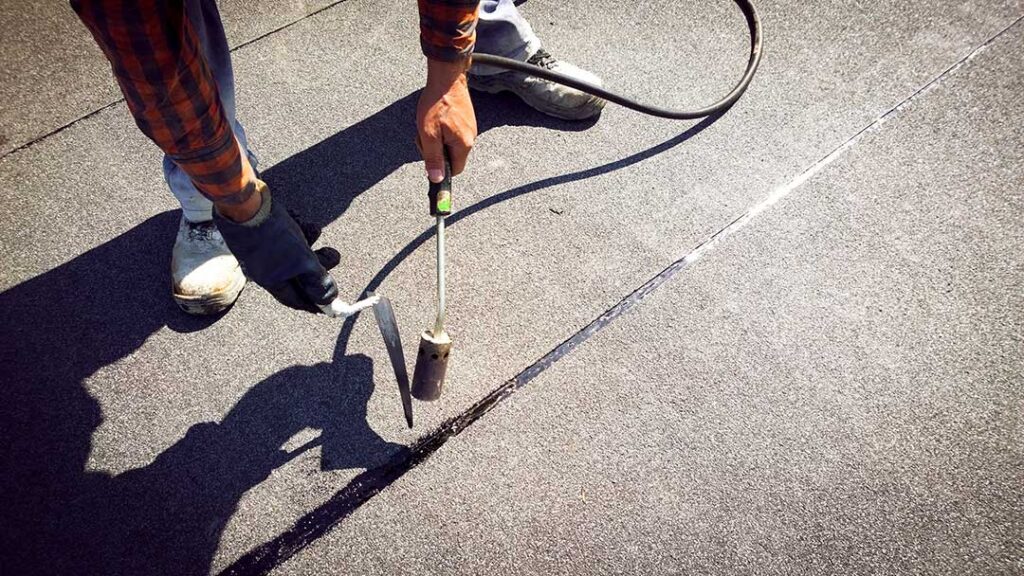
Roof underlayment is a protective layer installed between roofing shingles and the wooden roof deck. Its main job is to act as a secondary barrier against water, safeguarding homes from leaks, moisture, and wind-driven rain. In areas like Carmel, NY, where homes experience a mix of snowy winters, spring rains, and summer storms, the underlayment provides critical backup protection for roofing systems, especially when shingles are damaged or displaced.
Beyond waterproofing, underlayment can also help with fire resistance and smoothing the surface for shingle installation.
What Types of Roof Underlayment Are Common in Carmel, NY?
There are three primary types of underlayment used for residential roofs in this area:
- Asphalt-Saturated Felt: Sometimes called “felt paper” or “tar paper,” this traditional material has been standard for decades. It’s typically available in 15- and 30-pound weights. Heavier felt offers more durability and water resistance, but both types can offer decent backup for shingle systems.
- Synthetic Underlayment: Made from polymers such as polypropylene or polyethylene, synthetic options have become popular in recent years. They are lighter, more tear-resistant, and generally shed water more effectively than older felt materials.
- Rubberized Asphalt: This underlayment contains more asphalt and rubber polymers, making it self-adhering and highly waterproof. It is often used in areas prone to ice dams, such as roof edges, valleys, and around penetrations like chimneys and skylights.
For most homes around Carmel, with pitched asphalt shingle roofs, felt or synthetic underlayments are commonly used, while rubberized materials are typically reserved for vulnerable spots.
How Does Underlayment Protect Against Local Weather Hazards?
Underlayment plays an essential role in keeping homes dry during storms, preventing ice dam damage in winter, and reducing the risks from wind-driven rain events—conditions that are all typical throughout a year in this region.
For example:
- During heavy summer storms, underlayment helps block water that sneaks past lifted or damaged shingles.
- In snowy winters, underlayment at roof eaves guards against “ice dam” leaks—when melting snow refreezes at the edge, causing water to back up under the shingles.
Because Carmel experiences sizable temperature swings and both freeze-thaw cycles and summer humidity, a dependable underlayment helps reduce the risk of costly ceiling or attic leaks.
Where Is Underlayment Installed, and Is it Required?
Roof underlayment is laid directly atop the wooden roof deck, covering the entire surface before shingles or other exterior materials go on. It’s especially crucial at vulnerable locations:
- Eaves and valleys, where water runs or pools
- Around chimneys, vents, skylights, and roof-to-wall connections
Building codes that apply in Carmel require underlayment for shingle roofing, and additional waterproofing measures at edges to protect against ice dams. Skipping underlayment is not permitted for safety and insurance reasons.
What Are the Signs of Underlayment Problems?
Usually, underlayment is hidden beneath the shingles, but certain warning signs suggest it may have failed or is missing where it matters:
- Unexplained leaks after storms, especially near the roof’s lower edges
- Persistent dampness in attic spaces
- Mold or mildew stains on the underside of the roof deck
- Curling or missing shingles, which may indicate both shingle and underlayment breakdown
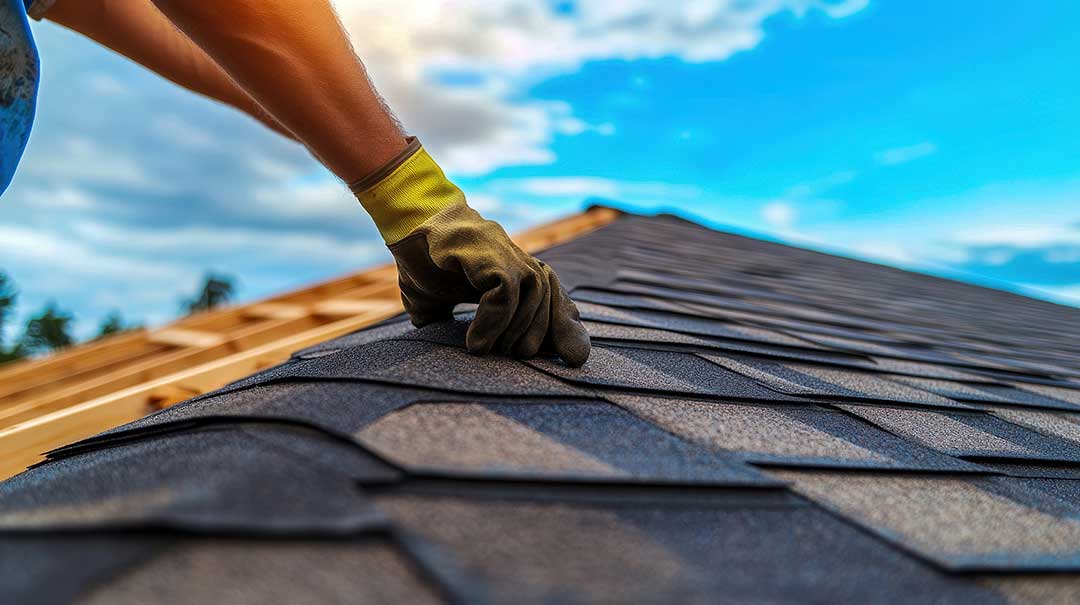
In older homes throughout the city, underlayment can break down due to decades of weather exposure or improper installation, making prompt investigation worthwhile if leaks appear.
Does Underlayment Affect Roof Longevity?
Yes—robust, properly installed underlayment helps extend roof life by minimizing water contact with decking, which reduces rot and structural decay. While underlayment itself isn’t directly exposed to sunlight, it functions as critical insurance in between shingle repairs or during harsh weather events.
Some modern synthetic materials even offer additional UV resistance if the roof is left uncovered for short periods during construction—an occasional concern during lengthy repair or replacement projects in the area.
Do Different Roofing Materials Require Different Underlayment?
Most sloped, shingled roofs in Carmel use either felt or synthetic underlayment, but roofing systems such as tile, slate, or metal have their own requirements. Underlayment for these materials might need to be heavier, more heat-resistant, or self-sealing, particularly near valleys or penetrations. For example, a rubberized membrane is common under metal roofs because of snow and ice slide risks.
Common Misconceptions About Roof Underlayment
Some myths persist about this layer, such as:
- Underlayment is optional—local codes make it mandatory for shingle roofs due to weather dangers.
- It “waterproofs” the whole roof—even the best underlayment only adds extra protection; it isn’t a substitute for sound shingles or proper attic ventilation.
- All underlayments are the same—choices should reflect the type of roofing, expected weather challenges, and building code requirements.
When Should Underlayment Be Replaced?
Underlayment is usually replaced whenever a new shingle roof is installed. Some repairs may require targeted replacement if a section is damaged by wind, leaks, or during repairs to other roof components.
In older homes undergoing reroofing, checking underlying deck and underlayment conditions is standard practice to ensure a strong, weather-tight system.
How Can Homeowners in Carmel, NY Ensure the Right Underlayment?
Most residents never see their underlayment, but awareness helps when discussing reroofing, storm repairs, or buying a home. Checking that the right materials are used for the regional climate and code requirements is an important step, as is understanding how this hidden layer protects against the city’s weather. For those dealing with older roofs or exploring updates, asking clear questions about underlayment types and placement is a practical way to safeguard household comfort each season.
