
How Do Animals Cause Roof Damage in Carmel, NY?
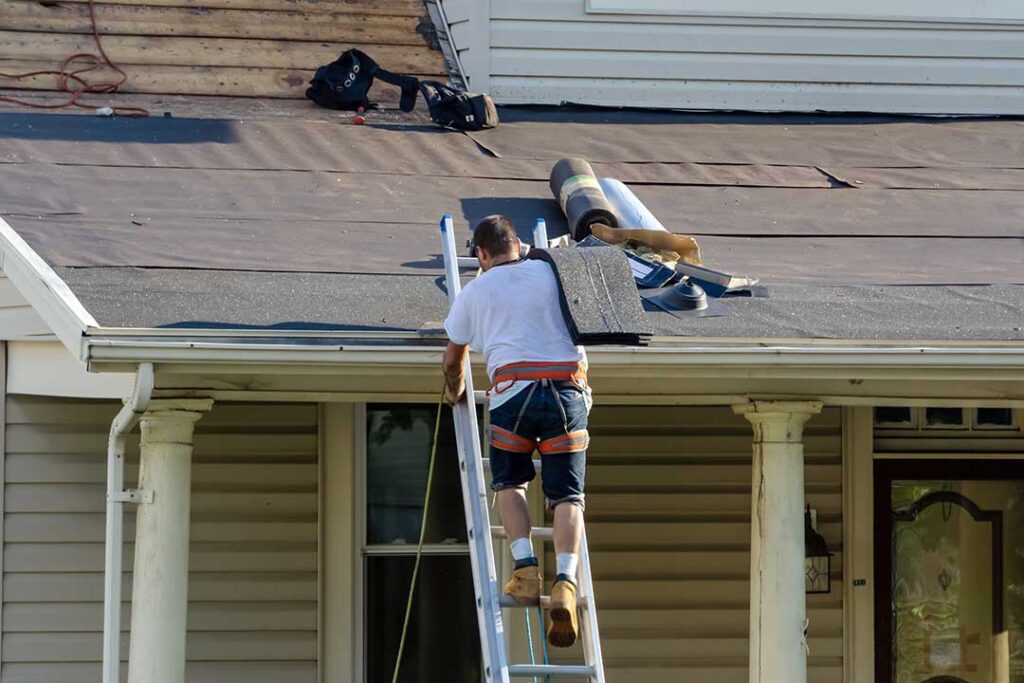
Wildlife frequently interacts with roofs across Carmel, NY, especially given the area's mix of wooded landscapes and established neighborhoods. Animals can cause damage by seeking shelter, searching for food, or simply moving across roofing materials. The most significant risk comes from animals accessing the attic or roof layers, where their activity can compromise roof integrity, ventilation, and insulation.
Common scenarios in the city include squirrels gnawing on wood, raccoons peeling back shingles, or birds nesting in gutters. Each species poses unique concerns based on its habits and strength.
Which Animals Are Most Likely to Affect Roofs Locally?
Several species are regular visitors to rooftops in Carmel, NY, particularly in areas near parks or wooded lots:
- Squirrels: Agile climbers, squirrels can easily access rooflines by leaping from trees. Their teeth grow continuously, leading them to gnaw on fascia boards, vent covers, and even electrical wiring in attic spaces.
- Raccoons: Known for their dexterity, raccoons can peel up shingles, break soffit panels, or widen roof gaps when searching for entry points.
- Birds: Pigeons, starlings, and sparrows often nest under eaves or inside chimneys. These nests can block drainage systems and introduce moisture issues.
- Bats: They may squeeze into tiny gaps in soffits or roof edges, especially in older homes, bringing issues such as guano buildup and odors.
- Rodents (like mice and rats): Small mammals may take advantage of any opening to enter insulation or attic voids, causing damage with their chewing and nesting.
While larger mammals like deer aren't a direct concern for roofs themselves, the local population can damage landscaping and contribute to tree branches overhanging roofs, indirectly increasing animal access to rooftops.
What Signs Indicate Animal-Related Roof Problems?
Roofs in Carmel may show clear or subtle signs of animal activity. Frequently overlooked clues include:
- Scratching or scurrying sounds, especially at dawn or dusk
- Shingles that appear lifted, torn, or missing near roof edges or vents
- Small holes or gnawed openings at eaves, around attic vents, or along ridge lines
- Animal droppings in attics, on shingles, or near entrances
- Insulation that appears disturbed or flattened inside attics
- Nests made of twigs or leaves in gutters or behind dormers
Repeated droppings, musty or ammonia odors, or sudden spikes in attic moisture can be key warning signs that animals have moved beyond the surface of the roof.
How Do Local Climate and Seasonal Changes Affect Animal Activity?
Carmel’s climate, with cold winters and wet springs, strongly influences animal behavior. Wildlife seeks shelter in roofs primarily:
- Late fall, as animals prepare for winter
- Early spring, during nesting or birthing season
Snow creates added risks, as animals may access roofs by climbing snowbanks or fallen branches. Periods of heavy rain can force creatures to seek higher, drier spaces, making attics especially appealing.
Freezing and thawing cycles common in Carmel can also widen small gaps or cracks, creating fresh entry points that would otherwise be inaccessible to local wildlife.
What Are Common Myths About Animal-Related Roof Damage?
Area residents sometimes assume only older or poorly maintained roofs are vulnerable. In reality, even recently constructed homes can experience wildlife intrusion if trees are close to rooflines, minor gaps are left during installation, or local animals are particularly persistent.
Another misconception is that all animal activity is easily visible from ground level. In practice, damage is often hidden behind fascia boards or within attic spaces. Birds and small mammals do not necessarily need large gaps—openings smaller than a golf ball are enough for many species.
What Steps Help Reduce Animal-Related Roof Risks?
While total exclusion is rarely practical, preventive measures make a significant difference for most households:
- Trim tree branches so they do not hang within five feet of the roof
- Regularly check for loose or missing shingles, especially after storms
- Secure attic vents and soffit gaps with appropriate metal mesh
- Clean gutters at least twice yearly to discourage nesting
- Replace damaged fascia or roofing material promptly
- Remove debris piles or stacked wood near the home that may attract animals
Paying attention to subtle signs of gnawing or entry attempts often allows early action before costly repairs become necessary.
When Should Residents in Carmel Prioritize Safety or Seek Professional Help?
Some wildlife species in Carmel pose health or safety risks. For example, raccoons may carry parasites, and bats can carry rabies, even if rarely. If droppings or nests are found in difficult-to-access areas, or if a live animal is clearly present inside attic spaces, prioritizing personal safety is essential. In such cases, residents should avoid direct contact and look for guidance through public health resources or local animal control, especially when dealing with protected species like bats or birds.
Removing nests, cleaning insulation contaminated by droppings, or addressing large population infestations typically requires special care to ensure safe and effective remediation.
Why Is Routine Monitoring Important for Roof Longevity?
Regularly inspecting both the exterior and attic can catch early signs of animal activity, maintaining roof condition over the long term. In the context of Carmel’s climate, periodic checks before and after major seasonal changes can spot developing problems when they are still minor.
Monitoring does not have to be complex; simple visual inspections from the ground, listening for unusual noises, or checking attic spaces with a flashlight are usually sufficient to keep minor issues from escalating.
