
What Are the Most Common Roofing Parts and Layers?
Every roof in Carmel, NY consists of several main components, each with a specific role in protecting homes from the region’s changing weather. The basic terms below help clarify what each part does:
- Shingles: Usually asphalt, these visible outer tiles form the roof’s first line of defense against rain, snow, and sun.
- Decking: Sometimes called “sheathing,” this flat layer (often made from plywood or OSB) supports shingles and underlayment.
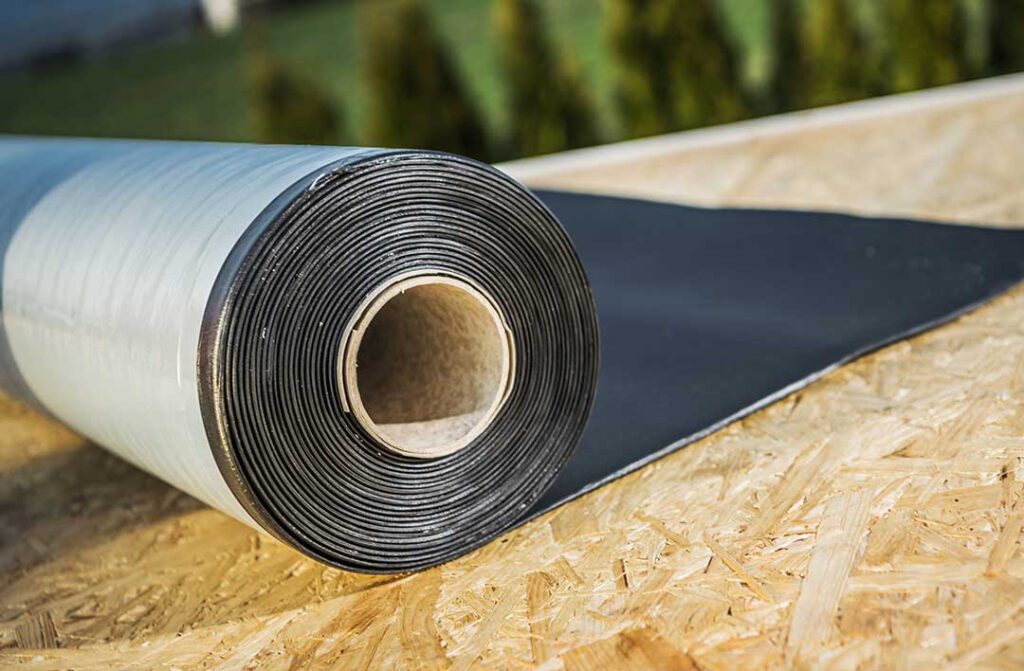
- Underlayment: A water-resistant layer installed over decking, underlayment (like felt or synthetic sheets) provides backup moisture protection.
- Flashing: Thin metal pieces (commonly aluminum or galvanized steel) direct water away from seams, chimneys, valleys, and vents.
- Ridge: The peak where two roof slopes meet, often covered with special ridge cap shingles for weather resistance.
- Valley: The internal angle formed by two sloping roof sections, vulnerable to leaks if not properly flashed and sealed.
- Eaves: The lower roof edges that overhang your home’s walls, helping to direct runoff away from the foundation.
- Soffit and Fascia: The soffit is the underside of the eave; fascia is the horizontal board facing out. Both support gutters and aid ventilation.
Residents sometimes overlook underlayment and flashing, though both help prevent leaks and rot—critical features for long-term performance in the Hudson Valley’s climate.
What Do Roofing Terms Like “Square,” “Pitch,” and “Ventilation” Mean?
It’s common to hear unfamiliar words when discussing new installations, repairs, or roof estimates. Here’s what they really mean:
- Square: Roofing is priced by the “square,” meaning 100 square feet of surface area. A 2,000 square-foot roof equals 20 squares.
- Pitch: This describes how steep a roof is. It’s measured as a ratio (like 6:12, meaning a 6-inch rise for every 12 inches of horizontal run). Steeper roofs shed snow more easily but can be harder to walk or work on.
- Ventilation: Proper attic ventilation prevents excess heat buildup in summer and reduces ice dams in winter. Typical systems use ridge vents, soffit vents, or gable vents to allow airflow.
Mild to harsh winters in this area make attic ventilation and correct pitch especially important. Without them, ice dams and premature shingle wear are common.
Are There Different Types of Roofing Materials?
Yes, and terminology often overlaps. Most homes in the community use:
- Asphalt Shingles: The most popular type, available in basic “3-tab” and thicker “architectural” varieties.
- Metal Roofing: Long-lasting and shedding snow well, but usually seen on barns or newer builds.
- Slate Tiles: Durable and traditional, sometimes found on older or historic area homes.
- Wood Shingles/Shakes: Less common now, but occasionally used for aesthetic reasons.
Each material has its own terms, like “granules” (the gritty surface of asphalt shingles) or “fasteners” (the nails or screws holding roof layers in place).
What Problems Are Mentioned in Roof Reports?
Roofing inspections or quotes often mention issues in technical language. Common terms and real-life examples:
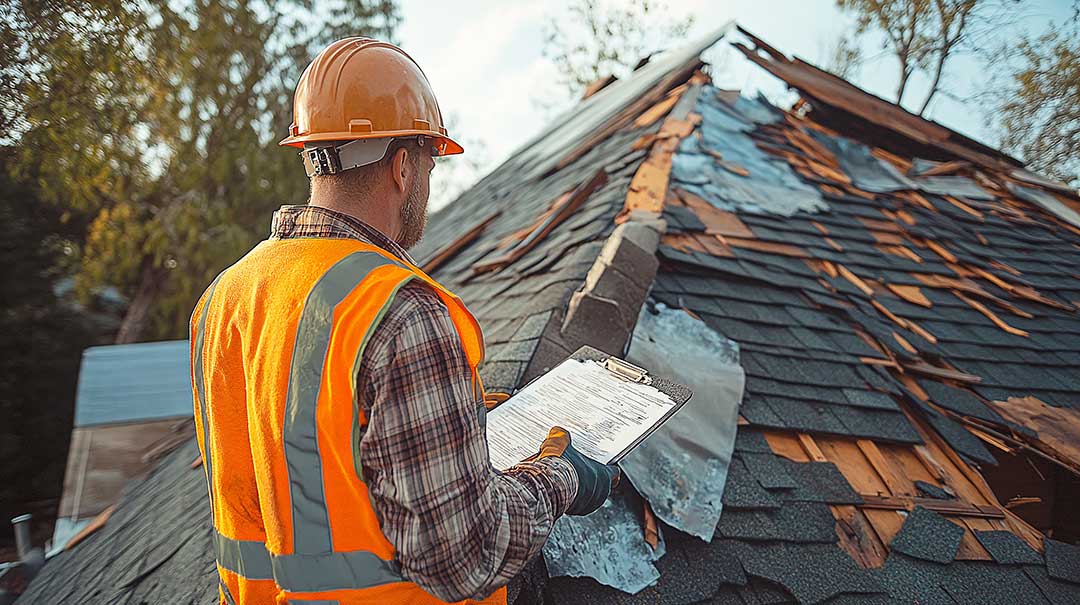
- Blistering: Raised bubbles on shingle surfaces, often caused by trapped moisture or extreme heat.
- Curling: Shingle edges turn upward or downward, usually from weathering or ventilation issues.
- Granule Loss: Bald spots on asphalt shingles, which reduce weather protection.
- Delamination: Layers of material (especially underlayment or composite shingles) separating, affecting water resistance.
- Soft Spots: Areas that feel spongy underfoot, possibly indicating rotted decking beneath the surface.
Knowing these words helps homeowners have clearer conversations about repairs or maintenance needs, especially before or after seasonal storms.
Which Terms Relate to Roof Longevity and Weather Resistance?
Terms in this category help explain why regular care is important and how specific features extend roof life in the city’s climate:
- Ice Dam: A winter problem where melting snow refreezes at the eaves, blocking runoff and causing leaks under shingles.
- Drip Edge: A thin metal strip at roof edges, nudging water away from the fascia and underlying wood.
- Algae Staining: Dark streaks, often seen on north-facing slopes, cause premature aging of shingles and can be removed with gentle cleaning.
- Warranty: Defines how long materials or workmanship are covered. Read for coverage differences between materials and labor.
Residents sometimes assume new roofs never need attention until they leak. In reality, small terms in reports or material documents often signal important maintenance needs.
How Can Knowing These Terms Help in Carmel, NY?
Understanding roofing language makes it easier to communicate with home inspectors, insulation contractors, or municipal code officers, especially following heavy snows, windstorms, or as part of property transactions in the area. It also helps to interpret seasonal advice found in local newsletters or community notices about roof safety and ice dam prevention.
Residents who can describe concerns using terms like “flashing,” “valleys,” or “ventilation” are more likely to get clear answers from city officials or building supply counters. For households maintaining older roofs or planning upgrades, this knowledge leads to smarter questions and fewer surprises—saving both time and stress.
