
What Are Some Recent Advances in Roofing Materials?
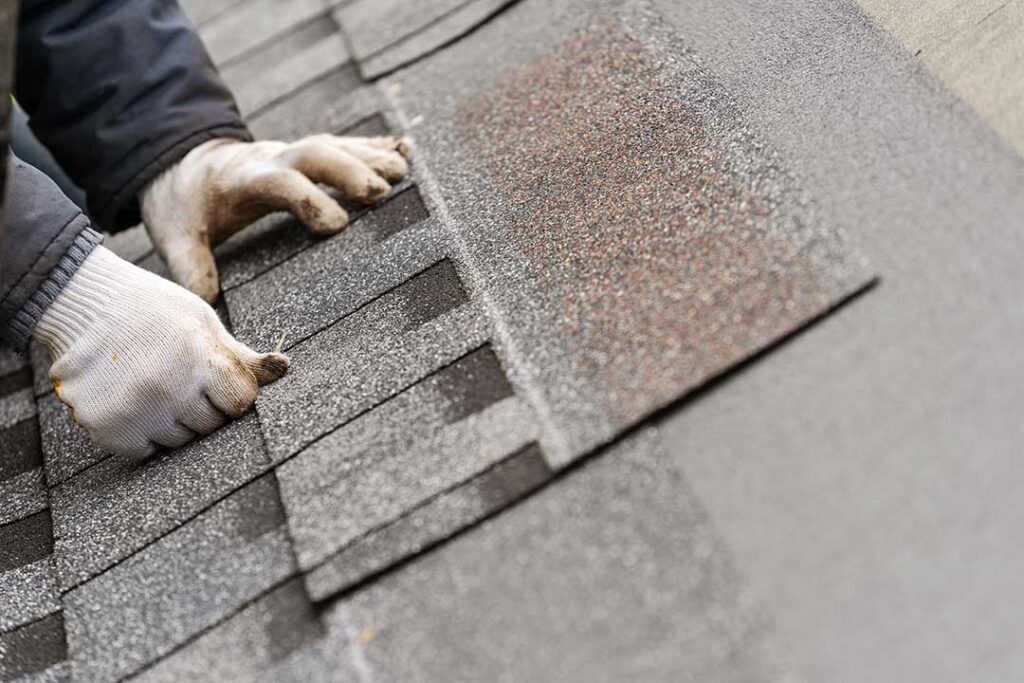
Modern roofing materials have changed the way homeowners think about protection and efficiency. The shift goes beyond traditional asphalt shingles to include new options that can last longer and perform better.
Architectural shingles, for example, use multiple layers for extra durability and resistance against harsh winter weather. Metal roofing systems are now available in a wider variety of finishes, many designed to mimic traditional slate or wood while providing greater resilience against wind and ice. Homeowners are also exploring synthetic slate and composite tiles, which are lighter and engineered to resist algae—helpful in the humid summers and snowy winters that define the local climate.
How Are Roofs Becoming More Energy Efficient?
Today’s roofs are often designed with energy savings in mind. The primary innovation is the use of “cool” roofing materials, which reflect more sunlight and absorb less heat. In practice, this can help keep attic temperatures lower during the hot, humid stretches of summer, reducing the load on air conditioning systems.
Some residential roofing systems also use reflective coatings or membranes, which are particularly effective on low-slope sections. There’s a common misconception that only sunbelt areas benefit from these products; in reality, energy-efficient roofs can be a smart upgrade for area households aiming for year-round comfort and utility savings.
What About Solar Shingles and Solar-Ready Roofs?
Integrating solar technology has become much easier. Unlike the large, bulky panels of a decade ago, solar shingles now blend in with traditional roofing and can be installed as part of a full system replacement. These photovoltaic shingles convert sunlight into electricity while serving as the roof’s weather barrier.
Local residents occasionally wonder whether the region’s mix of cloudy and sunny days makes solar worth it. While output may fluctuate seasonally, the long summer days and available roof space on single-family homes can still offer tangible benefits. It’s also common to see new roofs built “solar ready,” meaning they’re designed to accommodate future panels without additional structural modifications.
Can Smart Roof Technology Help With Maintenance?
Digital advances have started to play a role in roof maintenance. Smart sensors, which can detect leaks, thermal irregularities, or ice dam formation, are sometimes integrated into new roofing systems. These sensors send alerts to homeowners, helping catch problems early—key for preventing water infiltration during freeze-thaw cycles.
Meanwhile, drones are becoming a routine part of property inspections in the area. They allow for photographic mapping and real-time monitoring of roof conditions without the risks of repeated climbs.
Is There Progress in Roof Ventilation and Insulation?
Properly ventilated and insulated roofs help prevent ice dams and reduce energy loss, both of which are concerns in this part of New York. Innovations like continuous ridge vents and synthetic underlayments have become standard for their ability to manage moisture and promote air circulation.
A frequent question is whether high-tech upgrades can be retrofitted onto older homes. In most cases, improvements like insulating attic hatches or adding new vent baffles are possible, provided they align with existing framing and code.
What Role Does Sustainability Play in Modern Roofing?
Eco-friendly roofing materials are increasingly available. Options like recycled shingles, sustainably harvested wood, or even “green” living roofs (featuring vegetation on flat or gently sloped surfaces) can offer environmental benefits, though the latter is less common due to local weather extremes.
For residents looking to reduce their environmental impact, the growing use of recycled content in shingles or regionally-sourced materials can help. Durability also matters: a longer-lasting roof generates less construction waste over time.
Are Modern Roofs More Adaptive to Local Weather?
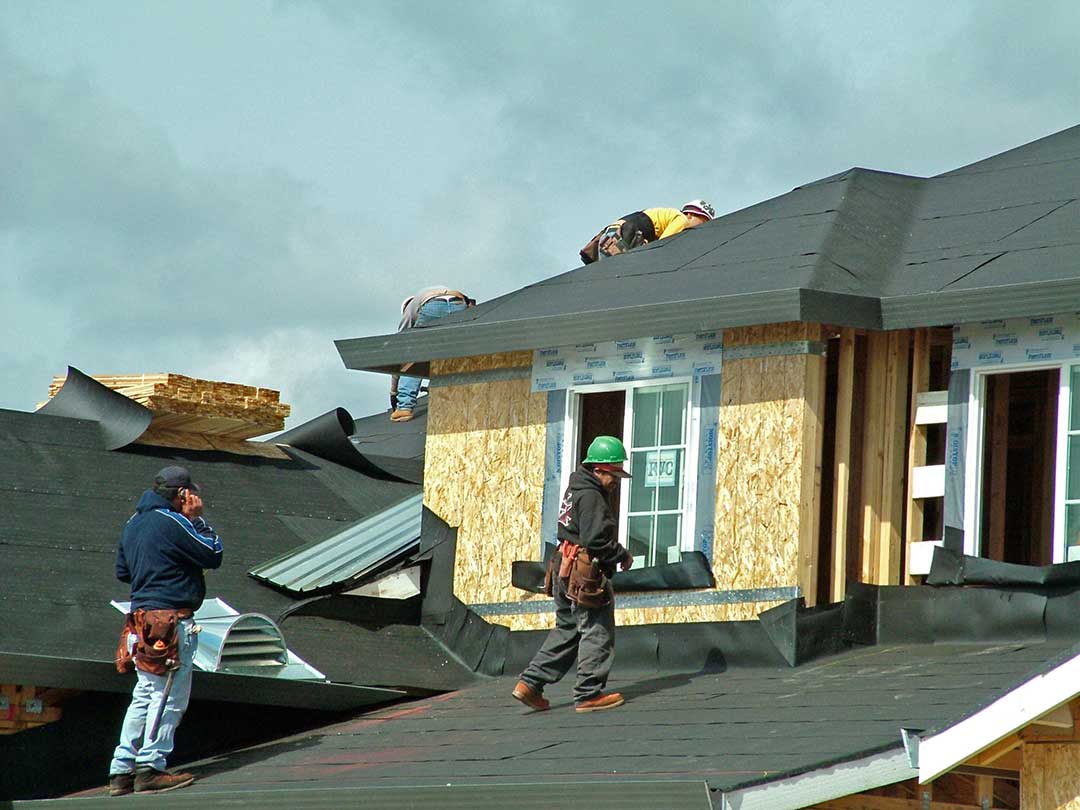
Many technological improvements focus on making roofs better handle heavy snowfall, ice, and wind. Impact-resistant shingles can reduce hail damage, while enhanced flashing and waterproof membranes protect against local freeze-thaw cycles. Ice guard membranes and advanced drip edges have become standard parts of most installations, specifically chosen to deal with long winters and unpredictable spring storms.
This adaptability doesn’t just improve resilience. It can also reduce maintenance headaches, limit the risk of leaks, and provide peace of mind to area homeowners facing unpredictable weather patterns.
What Should Residents Consider Before Upgrading?
Before investing in new roofing technology, it’s important for residents to evaluate:
- Compatibility with existing structures, especially for older homes
- Local building codes, which may change with new products
- Upfront costs balanced with expected lifetime and maintenance savings
- Needs for insulation and attic ventilation alongside roofing material
Regional climate is a guiding factor. Not every innovation is suitable for every home; understanding how new systems perform in local conditions helps ensure upgrades are practical as well as modern.
