
Why Is Documenting Roof Damage Carefully So Important?
Accurate documentation is essential for a successful insurance claim after roof damage. Insurers rely on clear, objective evidence to determine repair or replacement coverage. Skipping key details or missing deadlines can slow down the process or lead to denied claims, especially in regions with variable weather patterns like Carmel, NY.
What Should You Do First After Noticing Roof Damage?
Start by making the situation safe and preventing further issues. If you find roof leaks, loose shingles, or other visible problems, take steps to minimize water intrusion inside your home if conditions allow. Prioritize safety—avoid climbing on an unstable or icy roof, particularly after Carmel’s common winter storms or windy autumn weather.
Next, review your homeowners insurance policy. Understanding what is covered and what information your insurer expects can help you document damage more effectively.
How Should You Take Photographs and Videos of Roof Damage?
High-quality photos and videos are the most persuasive evidence. Begin photographing as soon as it is safe, capturing the broad context before zooming in on specific damage.
Tips for useful documentation:
- Take wide shots showing parts of your home and yard, placing roof damage in context
- Photograph the damage from multiple angles—at ground level, upstairs windows, or using zoom if climbing is unsafe
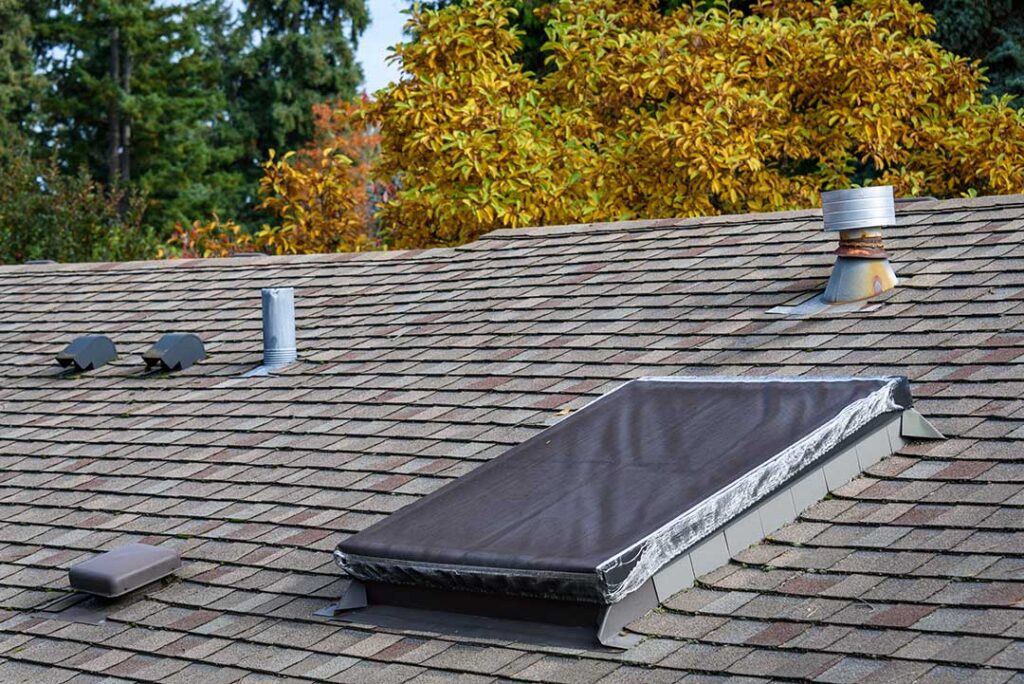
- Document close-ups of missing shingles, torn flashing, dented gutters, damaged vents, or leaks
- Include clear images of related property affected, such as siding, attic interiors, or ceiling stains
- Capture images in natural daylight when possible to reveal details
- Use video to slowly scan damaged areas, narrating what you’re seeing
If a storm or fallen tree is involved, photograph downed branches, debris, or water pooling outside as supporting evidence.
What Paperwork and Records Support an Insurance Claim?
Beyond photos, insurers may request written and dated evidence to verify your claim. In Carmel, many households benefit from keeping home maintenance and repair records on hand.
Helpful documentation includes:
- Notes or a simple written timeline describing when you first observed the damage and major weather events in the area
- Copies of previous roof inspection reports or receipts for recent repairs
- A record of emergency steps taken—such as temporary covers, tarps, or professional mitigation services
- Weather reports or local news stories about recent storms that may have contributed to the problem (official records from the National Weather Service are especially credible)
- Diagrams or sketches, even hand-drawn, that help clarify what was damaged and where
Storing these records together, whether digitally or in a physical folder, can prevent important details from being overlooked or forgotten.
What If the Damage Is Hidden or Hard to Reach?
Damage inside roof cavities or attic spaces is common in this area, especially where ice dams or wind-driven rain occur. Use caution when entering enclosed spaces; if local conditions suggest structural weakness, leave interior inspection to professionals.
For what can be safely observed, look for:
- Water stains, mold, or musty odors in attic insulation or rafters
- Damp drywall, bubbling paint, or discoloration on ceilings
- Sunlight visible through the roof deck or attic—evidence of gaps or holes
- Wet insulation or drip marks during or after storms
Document these findings as carefully as exterior damage. Portable lights can help illuminate dark areas for photographs. Note the direction or proximity to known roof issues.
Are There Common Mistakes Residents Make When Documenting Roof Damage?
Several oversights can complicate claims in the city’s varied weather. Avoid these pitfalls:
- Waiting too long to document, allowing further damage or weathering to obscure evidence
- Discarding damaged material (such as shingles or flashing) before taking photos of them labeled with date and location
- Forgetting to photograph both the exterior and interior evidence
- Providing only wide shots without close-up detail or vice versa
- Failing to date photos or video files, making it harder to establish timelines for insurers
Local residents sometimes miss the connection between weather events and roof problems—attaching a news article or official report about a recent windstorm, hail event, or snowstorm can help establish cause.
When Should Residents Notify Their Insurance Company?
Most insurance policies require prompt notification of property damage. Notify your provider as soon as initial documentation is complete, ideally within days of discovery, to avoid disputes about when the damage happened.
Be ready to provide:
- An overview of the type of damage
- The date and cause (if known)
- An inventory of damaged property, including attached photographs, receipts, and notes
Communicate in writing when possible and save copies of all messages, confirmations, and claim numbers for your records.
What Should You Do If Conditions Change Before the Adjuster Arrives?
Carmel’s climate can shift rapidly—more storms or melting snow might change damage between initial discovery and an adjuster’s visit. Take additional photos and update your notes if the state of your roof changes (for example, water stains spread or more shingles detach).
If temporary repairs are necessary, save photographs of the original damage, receipts for materials, and notes about when and why work was performed. Insurers generally expect reasonable steps to protect property, but before making permanent repairs, confirm coverage with your provider.
How Can Carmel Residents Stay Prepared for Future Incidents?
Keeping an organized record of past roof inspections, repairs, and local severe weather events can make responding to future roof damage more manageable. Regular visual checks and dated photos—especially after major storms—build a clear maintenance history that can speed up any future claims.
For homes with older roofs or previous storm damage, consider scheduling periodic walkthroughs of attic spaces and exterior perimeters to spot potential vulnerabilities early.
