
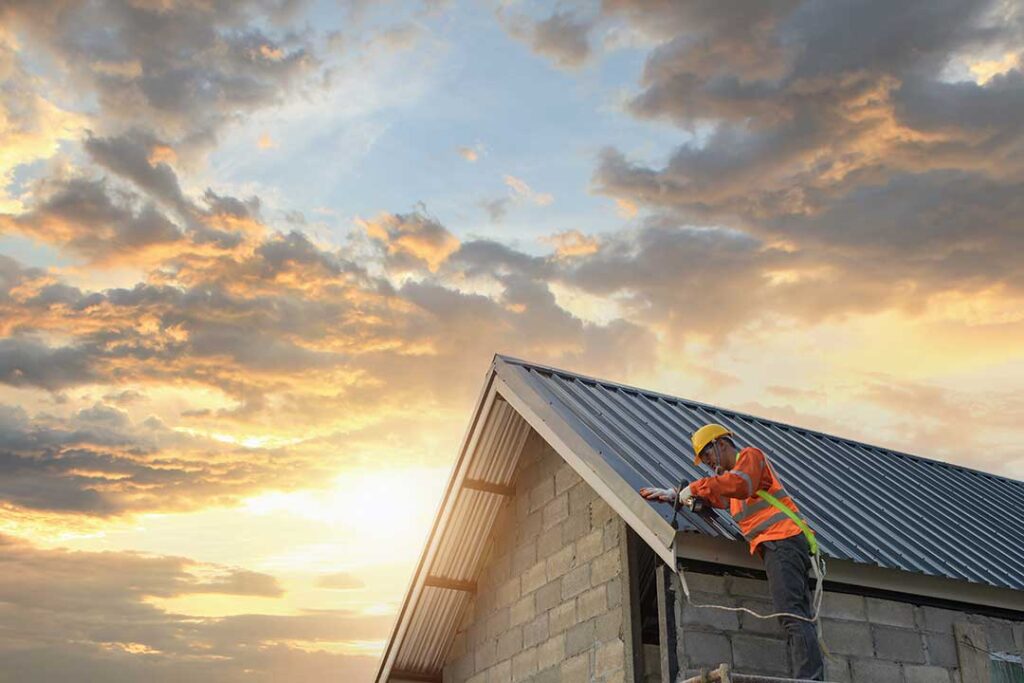
What Is the Safest Way to Hang Lights on a Roof in Carmel, NY?
Safely hanging lights on your roof starts with preparation and caution, especially in regions like Carmel, NY where weather and roof designs vary. The best approach is to use sturdy ladders, gentle attachment methods, and to avoid damaging your roofing materials.
Unlike some parts of the country, winters here can bring ice, snow, and wind. These conditions can make holiday decorating riskier for local residents. Prioritize safety above aesthetics, and never climb on your roof during icy or snowy conditions. If weather is unpredictable—or there’s the chance of a wintry mix—wait for a clear, dry day.
Which Tools and Materials Are Recommended for Roof Light Installation?
Use lightweight LED lights, insulated exterior extension cords, and gentle clips instead of staples or nails. This protects your shingles and gutters from holes and distress. The most commonly used fasteners are plastic clips designed to grip gutters or the edge of shingles. They hold well in wind but release without tearing or poking the roof surface.
Before setting up, gather the following:
- Certified outdoor extension cords
- Gutter or shingle light clips (plastic, not metal)
- Rubber-soled shoes for good traction
- A sturdy ladder that reaches safely above your roof edge
- A helper if possible (for ladder stability)
Check every light string for worn wires, missing bulbs, or cracked sockets. Snow and damp air in the area’s winters can make electrical issues more hazardous than in milder climates.
Is It Necessary to Go Onto the Roof?
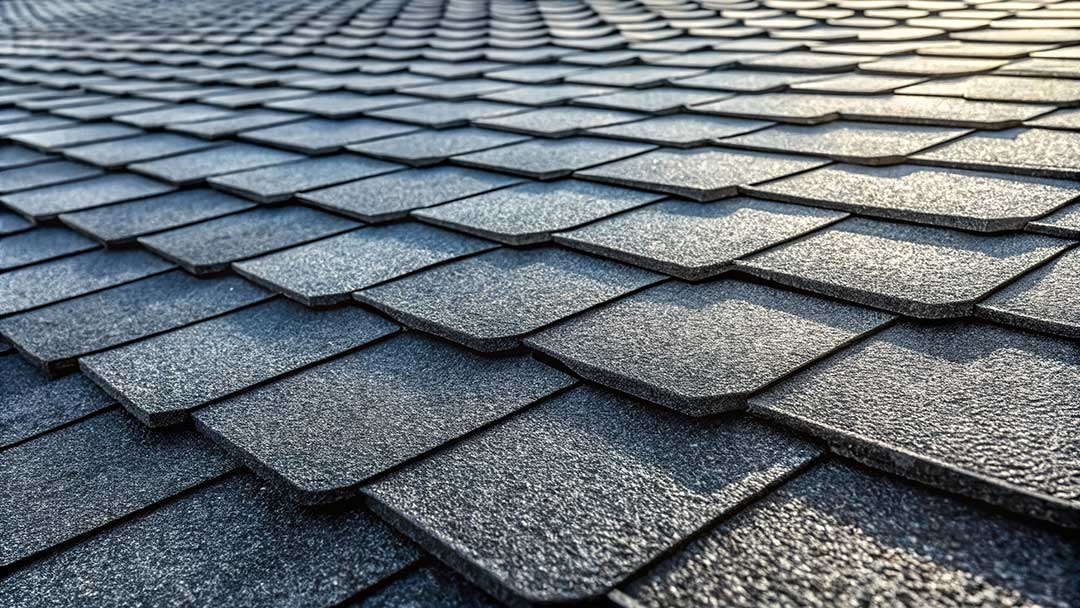
Avoiding direct contact with the roofing surface reduces your risk and protects the roof itself. Most single-family homes in the community have pitched roofs with asphalt shingles or similar materials, which can be easily damaged by foot traffic in colder months when shingles are brittle.
Hanging lights from the ground with an extendable pole or attaching them to gutters, fascia, or eaves is far safer than walking on the roof. Reserve climbing only for homes that cannot be reached safely otherwise—and never work alone. If heights or awkward placements are involved, enlisting help simply for spotting is a practical choice.
How Do Weather and Local Roof Types Change the Approach?
Carmel, NY typically experiences overnight freezes from late fall through winter, and local homeowners sometimes underestimate how quickly surfaces become slippery. Asphalt shingles can harbor invisible frost, and metal or slate roofs become especially hazardous.
Always check the weather forecast. If any ice, snow, or freezing rain is predicted for the day of installation or shortly after, wait until a warming trend gives you dry, clear conditions. Even sturdy clips can fail if snow or icicles build up and put extra weight on your light strings.
What Are the Most Common Mistakes, and How Can You Avoid Them?
Some frequent missteps are easy to correct with a little planning:
- Using staples or nails that punch holes in shingles or trim, causing future leaks
- Overloading outlets or extension cords; check wattage ratings carefully
- Allowing cords to drape over areas where they can’t fully dry out after snow or rain
- Forgetting to test lights before installation—leading to avoidable trips up and down the ladder
To prevent damage:
- Route cords away from walkways and steps to prevent tripping
- Use grounded, outdoor-rated extension cords and keep connections off the ground with plastic hooks or bricks
- Place all connections so they hang downward, discouraging water from seeping into plugs
Are There Local Considerations for Neighborhood Safety or Appearance?
In most of the community, local codes do not strictly regulate decorative lighting for private homes, but it is wise to keep displays modest and secure. High winds and heavy snow are common enough that simple clip-based installations are preferred. Overly elaborate displays may not fare well during storms.
Respect neighbors by avoiding very bright flashing lights or high-volume music, as sound carries especially well in cold air and may be more noticeable during the quiet winter months.
Can You Reuse Clips and Lights Each Year?
Plastic light clips and quality LED strings can be reused for several seasons if stored carefully. After takedown, remove any debris from clips and let them dry thoroughly before storing in a cool, dry place. Inspect all materials for cracking or wear before reinstalling in subsequent years.
Lights should be coiled loosely and checked before use. Failing to remove old clips or allowing lights to hang out of season can contribute to roof discoloration, algae, or even wildlife interference.
How Do You Prevent Damage to Shingles, Gutters, and Siding?
Choose clips that match your roof and gutter profile—some are designed for thick architectural shingles, while others grip thin aluminum gutters. Attach only to firm, undamaged areas. Avoid pulling lights tightly across corners or stretching them, which can strain gutter brackets or shingle edges.
Never use adhesives or mounting materials not intended for exteriors, as winter freeze-thaw cycles in the area will usually cause these to fail, leaving residue and damaging surfaces. After the season, carefully remove all clips and lights to avoid bending or cracking cold materials.
