
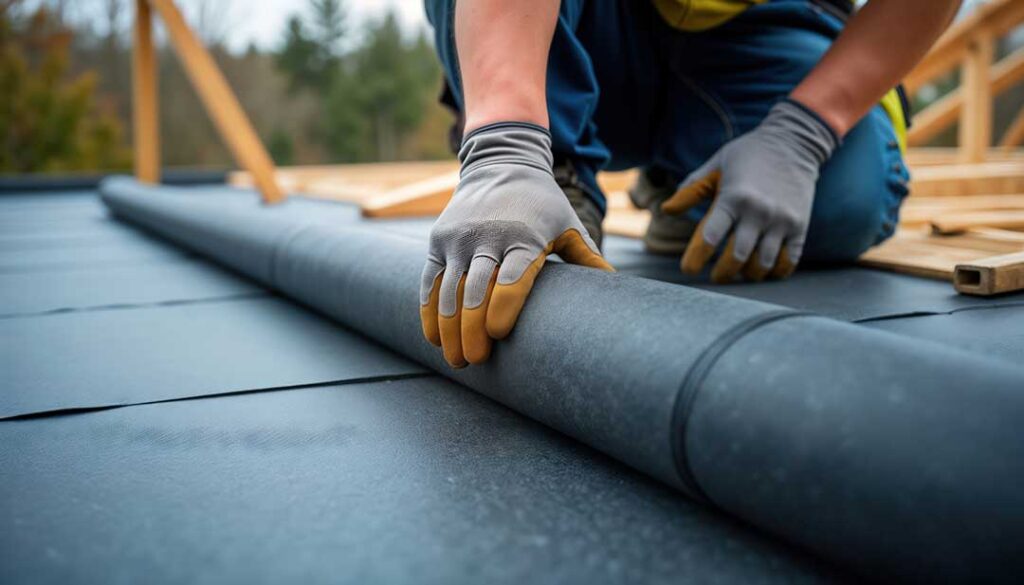
How Many Years Will a Typical Roof Last in Carmel, NY?
For most homes in Carmel, NY, the expected lifespan of a roof depends on the material, workmanship, climate, and upkeep. Most asphalt shingle roofs, the most common type in the area, last between 15 and 30 years. Other materials, such as metal, slate, or wood shakes, can last much longer or a bit less depending on local weather and maintenance habits.
Seasonal temperature swings, snow loads, and occasional high winds in the region influence the wear and aging process. Roofs that withstand repeated freeze-thaw cycles or support heavy ice in winter may reach the lower end of their expected lifespan unless specifically designed or maintained for these conditions.
What Materials Are Most Common, and How Do They Compare?
Carmel homes often use the following roofing materials, each with distinct lifespans:
- *Asphalt Shingles*: Usually 15–30 years. The most prevalent choice for area homes, they offer a balance of affordability and durability.
- *Architectural Shingles*: A step up from standard asphalt, sometimes lasting 25–35 years due to extra thickness.
- *Metal Roofing*: Typically 40–70 years. More common on rural or recently updated homes. Standing seam panels perform especially well in snowy regions.
- *Slate or Tile*: Can last 50–100 years with care. Rare in the community except for historic or custom properties due to greater expense and weight.
- *Wood Shakes or Shingles*: Around 20–40 years, though local humidity and potential moss growth can shorten their life.
Material lifespan is only an estimate. Installation quality, attic ventilation, and how well the roof is kept clear of leaves or snow all play significant roles.
What Local Conditions Affect Roof Longevity?
After material, local weather is the biggest factor. Carmel's blend of hot summers, brisk autumn storms, and heavy snow each winter is tough on roof coverings. Here’s how typical regional conditions impact lifespan:
- *Snow and Ice*: Seasonal snow buildup and ice dams can force water beneath shingles or flashings, accelerating wear. Areas prone to drifting snow and shaded by trees see roofs age more quickly.
- *Temperature Fluctuations*: Dramatic shifts, especially between day and night in spring and fall, cause roofing materials to expand and contract. This can dry out adhesives in asphalt shingles and cause premature cracking.
- *Wind and Rain*: Gale-force gusts and wind-driven rain stress shingles and lift corners, increasing the risk of leaks and loosening.
- *Humidity and Shade*: Prolonged dampness, especially on north-facing pitches, may encourage moss or algae, which can hold moisture against the roof surface.
Regular maintenance—such as clearing debris from gutters and removing branches that brush against the roof—helps counteract these factors.
Why Do Some Roofs Fail Sooner Than Expected?
Even with suitable materials and good installation, a roof can age faster than its estimated lifespan for several reasons:
- *Poor Attic Ventilation*: Without adequate airflow under the roof deck, heat and moisture trapped inside an attic can warp decking, curl shingles, and promote rot.
- *Insufficient Insulation*: Improperly insulated attics may allow excessive heat to build up, “cooking” shingles from below and melting ice in winter, both of which lead to leaks.
- *Delayed Repairs*: Ignoring missing shingles, minor leaks, or flashing issues can allow moisture to enter and damage the structure, cutting short the roof’s service life.
- *Trees and Debris*: Overhanging limbs or constant leaf buildup in gutters prevent proper drainage and can harm asphalt or wood roofing.
Many roofs that fall short of their estimated service range have visible warning signs, such as granule loss, curling, or dark patches, several years before major repairs become urgent.
How Can Local Residents Maximize Their Roof’s Lifespan?
A high-quality roof in the area will last longest with a bit of preventative care. Consider these habits:
- Check the roof and attic twice a year, especially after major wind or snow events
- Clear gutters and downspouts so water and ice can flow away
- Trim tree branches that could break and fall on the roof during storms
- Watch for early signs such as small leaks, peeling flashing, or shingle debris in the yard
- Keep attic spaces well-ventilated and insulated to minimize heat loss and ice dams
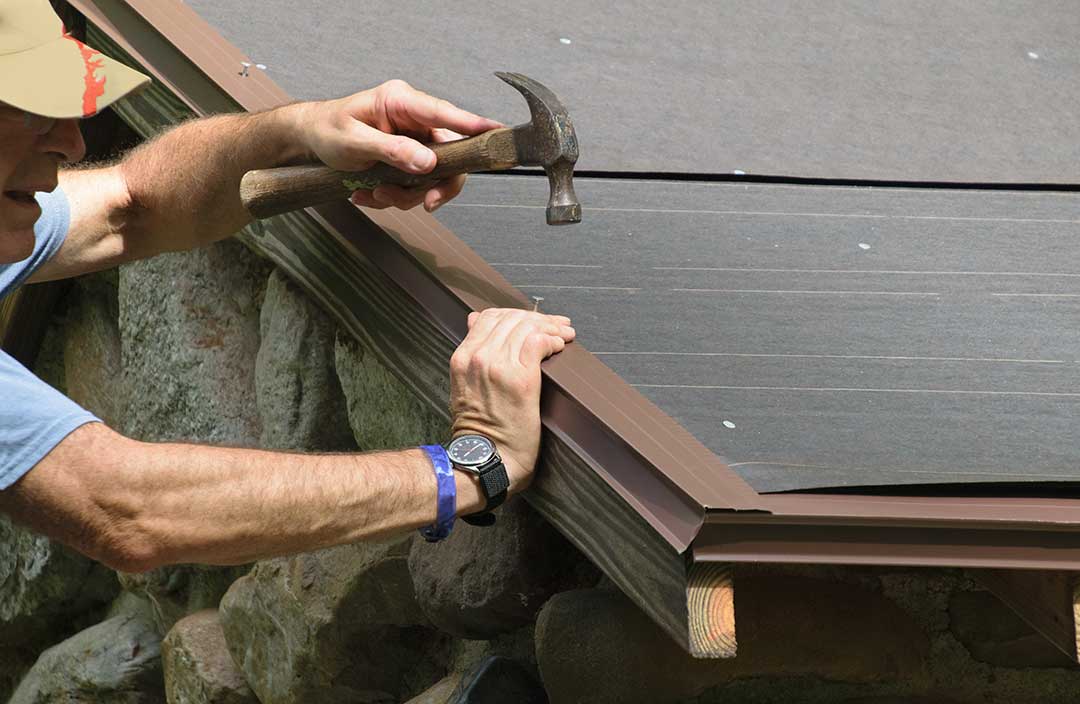
While most maintenance can be handled by homeowners, roofs with low slopes, fragile materials, or signs of structural damage should be evaluated by a qualified professional for safety reasons.
Are Repairs Worth It, or Is Roof Replacement the Only Option?
On roofs that are less than 20 years old and have isolated damage—such as a few missing shingles—small repairs may extend their life significantly. However, if major leaks, widespread curling, or structural sagging is present, repairs often just delay the need for full replacement. Spot repairs can add a few years, but age and repeated weather exposure eventually require a new roof.
For homes with older roofs, or those in which underlying wood deck damage is suspected, replacement may provide better long-term value, efficiency, and peace of mind.
What Signs Suggest a Roof Is Nearing the End of Its Life?
Some common signals that a roof in the area may need replacement soon include:
- Widespread loss of shingle granules (black streaks in gutters or driveway)
- Shingles buckling, curling, or cracking across multiple sections
- Frequent leaks or water stains in attics and ceilings
- Flashing at chimneys or joints lifting or deteriorating
- Daylight visible through roof boards in the attic
- Moss or mold growth that keeps underlying materials wet
Roofs nearing or past their typical lifespan benefit from closer attention even if they are not yet leaking, as small issues become larger and costlier over time.
