
Why Does Seasonal Roof Maintenance Matter in Carmel, NY?
Short, regular checks throughout the year protect homes in Carmel, NY from unexpected leaks and serious roof damage. Seasonal temperature swings, heavy snowfalls, autumn leaves, and spring rains all bring unique conditions that impact local roofing. Area residents ask about the best ways to care for their roofs throughout the year, especially given the region’s mix of older homes and changing weather.
Neglecting routine upkeep can lead to ice dams, moss growth, shingle loss, and costly repairs. By tailoring a yearly checklist to the city’s conditions, households can prevent many common problems before they grow.
—
What Should Be Checked Each Season?
Each part of the year brings specific challenges. Here are practical tasks for local conditions:
Spring: Inspection After Winter
Snow, ice, and freeze-thaw cycles are tough on area roofs. Early spring is a key time to check for damage left by winter.
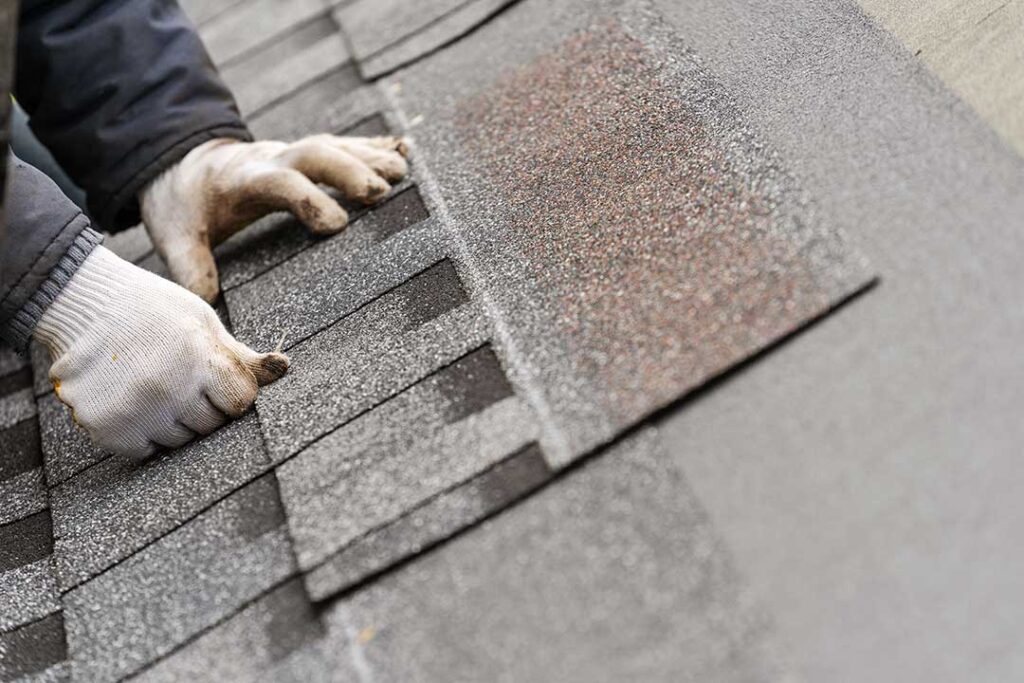
- Look for missing, curled, or cracked shingles—winter winds and ice can dislodge or break roofing materials.
- Check for leaks or water stains in attics and ceilings—melting snow may reveal hidden problems.
- Clear gutters and downspouts—debris from winter or fallen branches can block drainage.
- Remove any moss, algae, or lichen—damp northern exposures may encourage growth, which can trap moisture on shingles.
Summer: Monitoring and Cleaning
Summer brings warm, sometimes humid conditions. Direct sunlight helps dry out the roof, but severe storms and sudden downpours can test its resilience.
- Trim tree branches back to keep them away from the roof edge—summer storms can blow limbs onto shingles, causing impact damage.
- Look for signs of animal nesting—squirrels and birds sometimes seek the shade of eaves and gutters.
- Check flashing and vents—rubber seals and caulk can crack in heat, opening gaps around skylights, chimneys, or vents.
Fall: Preparing for Leaf Drop and Cold
Autumn’s falling leaves are a major issue for local gutters and valleys.
- Clean all gutters, valleys, and downspouts thoroughly. Clogged drainage can cause ice dams later.
- Look for loose or damaged flashing before freeze-up—secure metal strips around chimneys and vent pipes.
- Inspect the roof for branches, leaves, or debris accumulation—leftover material can trap water under snow.
Winter: Minimizing Risks During the Harshest Months
Heavy snow and ice can create immediate hazards.
- Watch for signs of ice dams: icicles or ice buildup along roof edges may indicate poor attic insulation or blocked gutters.
- Remove heavy snow from vulnerable areas if safe to do so—use a roof rake from the ground for one-story homes or call for municipal advice if necessary.
- Observe from inside: new leaks, peeling paint, or bubbling drywall can suggest ice dam or roof perforation issues requiring prompt action.
—
Which Problems Are Most Common in This Area?
Roofs in Carmel frequently contend with:
- Ice damming: Snow melts on the warm roof and refreezes at the edges, creating a dam that pushes water up under shingles.
- Clogged gutters: Tree-lined properties and autumn leaf fall can quickly overwhelm gutters, leading to overflow and fascia rot.
- Wind and limb damage: Strong winter and summer storms occasionally bring down branches or loosen shingles near edges and valleys.
- Moss and algae: Certain neighborhoods with heavy shade see rapid growth on the north-facing slopes.
Misconceptions sometimes arise—such as thinking that spring alone is “roof season.” In reality, each season creates its own risks and tasks for area homeowners.
—
What Materials or Tools Are Needed for DIY Maintenance?
Most routine checks require only simple tools or easily acquired supplies:
- Sturdy ladder
- Work gloves
- Safety goggles
- Gutter scoop and hose
- Roof rake (for snow)
- Plastic trowel or stiff brush (for moss and debris)
- Flashlight (for attic and under-eaves inspections)
Long-handled tools are especially useful for one-story homes with moderate slopes, while multi-story homes may require professional-grade safety equipment.
—
Are There Safety Issues or Tasks Best Left Alone?
While many maintenance steps are safe for careful residents, local roofs—especially older or steeply pitched ones—can be hazardous in certain conditions.
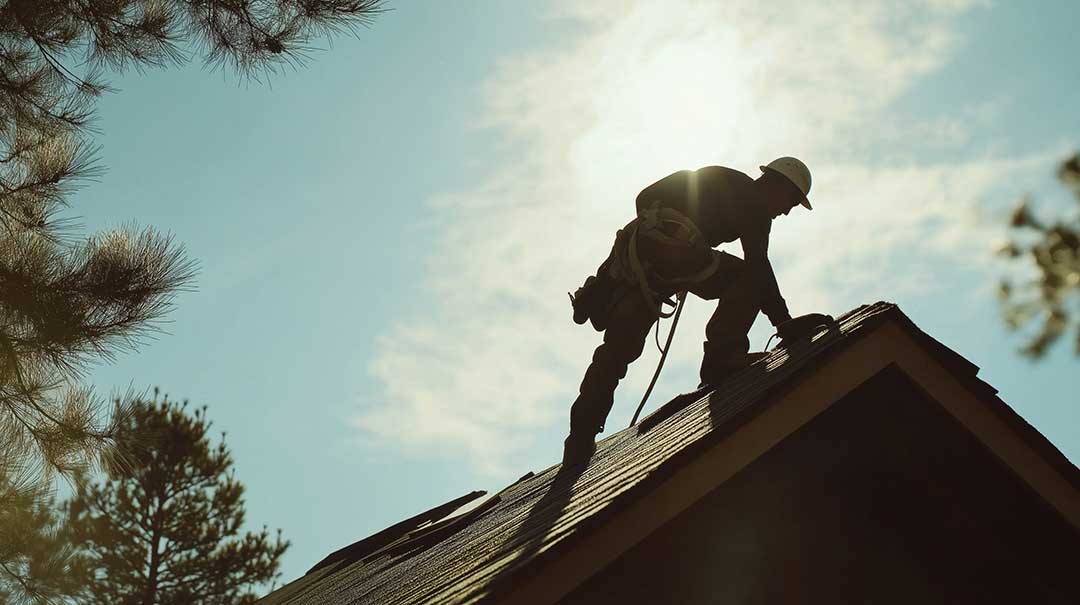
- Do not climb a wet, icy, or steep roof.
- If electrical wires are near, or if structural damage is suspected, wait for professional inspection.
- Large accumulations of ice or snow may be too risky to remove without experience or proper tools.
When in doubt, focus on ground-level tasks such as gutter clearing and visual inspection, and consult local building or municipal resources for guidance about dangerous repairs.
—
How Can Residents Make the Process Easier Each Year?
Setting up reminders, keeping supplies together, and involving household members makes the process more manageable.
- Create a checklist for each season—keep it somewhere visible, such as inside a garage or utility closet.
- Note repairs or unusual findings after each inspection—this helps spot patterns or worsening issues over time.
- Coordinate roof checks with other seasonal chores like yard clean-up or HVAC maintenance to save time.
Regular attention, paired with practical habits, gives area households the best chance of heading off disruptions caused by Carmel’s demanding weather.
